
Get ready to unlock the mystery of money by exploring how debt and equity markets shape the economy. Think of debt markets like a huge loan swap meet where billions change hands, while equity markets look like a nonstop shop selling pieces of companies worldwide. Knowing how these markets work helps investors spot hidden chances and dodge costly errors. Did you know global debt markets recently topped 250 trillion dollars? That shows just how huge and important this world really is. This knowledge powers anyone interested in money—from casual buyers to sharp planners—to understand what drives the economy and make smarter moves. Stick around to see how grasping these secrets could totally change the way money flows in your life.
I. Financial debt markets
Fund debtors can use debt instruments like bonds, debentures, or home mortgages. These monetary instruments are legal records that require the debtor to pay the lender a particular quantity of interest repayment till a maturation date. The maturity day is the date the bonds end Passion is paid at stated intervals up until the maturity date, whereupon the borrower repays the principal.
A financial obligation tool can be
a) Short-term
Instruments require one year or much less for payment
b) Medium-term
It can be repaid between one and also ten years.
c) Long term.
It is longer than 10 years to pay.
II. Equity markets
The equity market elevates funds by the issue of shares that create possession in the company. There are different sorts of equities markets
1. Main markets:
Just market new concerns of safety. Brokerage homes function as middlemen and underwrite the protections by ensuring the rate by the firm or federal government releasing them. Initial Public Offerings (IPOs) are generally pre-sold and not available to the public.
2. Additional markets:
Resell safety and securities that have currently released through the main market and
they are sold in the open market without price assurance by financiers and dealerships.
3. Exchange and over-the-counter markets:
this is the stock exchange that schedules customers as well as sellers to communicate in one physical location.
4. Over-the-counter markets (OTC markets):.
Dealers hold a supply of safeties that they market nonprescription to anybody going to approve their prices. If you want more information on the above subject, you can find this series of articles in Business Telegraph.
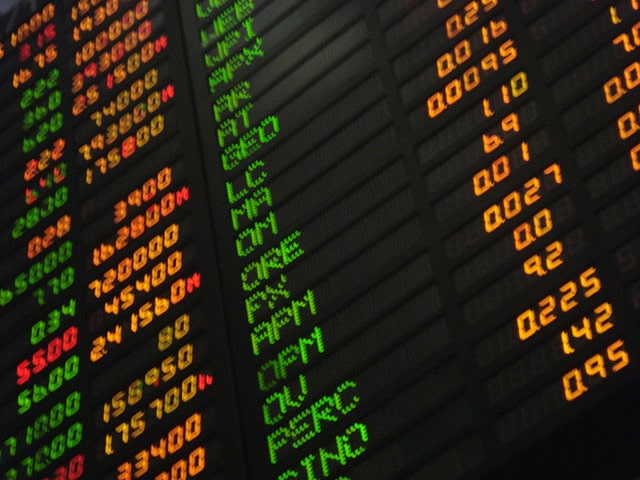
III. Money Markets.
Cash markets trade safety and securities with short maturity dates, typically of one year or much less.
1. Federal government treasury expenses (T-bills):.
These are debt instruments purchased by corporations, other governments, and customers to finance federal government deficits.
2. Short-term federal government bonds:.
These are bonds that have a maturation day of fewer than 3 years as well as bring fixed rates of interest. They are equal in security to a T-Bill.
3. State and community short-term notes as well as bonds:.
These carry rates of interest that are established by the debt rating of their issuer.
4. Lender acceptances:.
These are bank drafts provided by a company. They have a stated maturation day, generally, 30 to 90 days as well as can, for a charge, be assured by a financial institution. They are likewise practically run the risk of totally free.
IV. Capital markets.
Funding market instruments consist of the following:.
1. Stocks:.
These are equity shares in a company.
2. Government bonds:.
These are long-term financial obligation tools that have detailed maturation dates, and interest rates and also are highly fluid.
3. Savings Bonds:.
These are offered directly to the customer and also always maintain their stated value and might be paid at any time.
4. State or provincial Bonds:.
These are issued by a state or rural federal government.
5. Metropolitan Bonds:.
Released by city governments and frequently used to fund details projects.
6. Company Bonds:.
These are utilized to finance short or long-term activities. They have a reduced credit scores ranking than federal government bonds, therefore a higher interest rate.
7. Warrants:.
Warrants are certifications that provide a private the option to acquire a stated number of shares at a specified price for a specified time period.
V. Forex market.
In the forex market, the currency is dealt with.
